Learning Outcomes
i. Understand the concept of alternation of generations in ferns.
ii. Differentiate between the haploid gametophyte and diploid sporophyte phases of ferns.
iii. Describe the stages of fern development, from spore germination to protonema formation.
iv. Explain the role of antheridia and archegonia in fern sexual reproduction.
v. Recognize the structures involved in asexual reproduction in ferns, such as adventitious buds and spores.
Introduction:
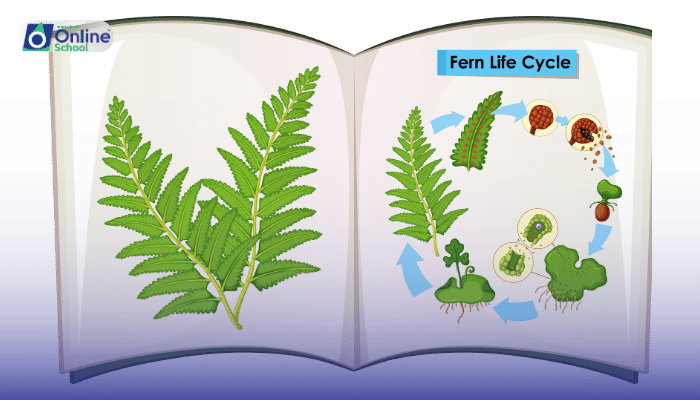
Ferns, with their graceful fronds and intricate life cycles, have long captivated the imagination of naturalists and scientists alike. Their unique reproductive strategy, known as alternation of generations, involves two distinct phases – the haploid gametophyte and diploid sporophyte.
i. The Haploid Gametophyte: A Delicate Beginning
The fern life cycle begins with a tiny spore, a haploid reproductive unit containing half the number of chromosomes found in ordinary plant cells. Upon germination, this spore gives rise to a delicate, heart-shaped gametophyte, often overlooked due to its small size and preference for moist, shady environments.
ii. From Spore to Protonema: The Fern Seedling
The gametophyte anchors itself to the substrate with thread-like structures called rhizoids. From its base, a branched, filamentous structure called a protonema develops. The protonema acts as a fern seedling, absorbing water and nutrients from the surrounding environment and providing a platform for further development.
iii. The Gametophyte's Reproductive Role
On the tips of the protonema, buds emerge and grow into leafy shoots, marking the transition to the mature gametophyte phase. This phase is responsible for sexual reproduction, the production of a new generation of fern plants.
iv. Antheridia and Archegonia: The Seeds of Fern Life
Specialized reproductive structures called antheridia and archegonia arise from the tips of leafy shoots. Antheridia, resembling tiny balloons, produce flagellated sperm cells, while archegonia, flask-shaped structures, contain a single egg cell.
v. Fertilization: The Fusion of Gametes
During favorable conditions, typically in the presence of moisture, sperm cells released by antheridia embark on a swimming journey towards archegonia, seeking the waiting egg cell. This fertilization process involves the fusion of the haploid sperm cell and the haploid egg cell, resulting in the formation of a diploid zygote.
vi. The Diploid Sporophyte: A Temporary Visitor
The zygote, the product of sexual fusion, marks the beginning of the diploid sporophyte phase. The sporophyte, unlike the haploid gametophyte, is a short-lived structure, typically embedded within the archegonium.
vii. From Zygote to Spore Capsule: A Transformation
Within the sporophyte, a series of cell divisions occur, leading to the formation of a capsule filled with haploid spores. These spores, unlike the sperm and egg cells, are not directly involved in sexual reproduction but rather serve as the next generation of reproductive units.
viii. Spore Release and the Cycle Renews
Upon maturity, the sporophyte capsule opens, releasing the haploid spores into the surrounding environment. These spores, carried by wind or water, have the potential to germinate and give rise to new generations of fern plants, continuing the cycle of life.
ix. Asexual Reproduction: Alternative Pathways
In addition to sexual reproduction, ferns can also reproduce asexually through various methods. Adventitious buds, small buds that arise from various parts of the plant, can develop into new fern plants. Spores, in some fern species, can also give rise to new fern plants without fertilization, a process known as apogamy.
The life cycle of ferns, with its intricate interplay of haploid and diploid phases, ensures genetic diversity and adaptation within fern populations. Ferns, despite their seemingly simple structure, play a vital role in ecosystems, providing habitat for a variety of organisms, contributing to soil formation and erosion control, and maintaining the delicate balance of water retention in their habitats.
As we appreciate the delicate beauty and ecological significance of ferns, we gain a deeper understanding of the intricate tapestry of life on Earth. These humble organisms, often overlooked in the grandeur of larger plants, remind us of the importance of biodiversity and the interconnectedness of all living things.
